
Play notes
Little People or Imaginext: picking the right world
We get this question at every toy fair: my kid loves figures, which world do I buy? Both lines put small characters in a kid’s hands, but they are tuned to different stages, and buying the wrong one a year early mostly produces a box on a shelf.
Little People: ages 1 to 5, the everyday world
Little People figures are chunky on purpose. A toddler fist closes around them, they do not roll away, and the scenes are the world your kid already knows: the farm, the bus, the house, the zoo. Play here is naming things, making animal sounds, loading and unloading. It is the line for a kid who is learning what the world is. Browse the Little People shelf and pick the scene closest to your kid’s daily obsessions.
Imaginext: ages 3 to 8, the world with a plot
Imaginext assumes the kid already knows what a firehouse is and now wants it to be under attack by a dinosaur. Sets have triggers, launchers, trap doors and villains. Play here is narrative: someone is up to something, and someone else has to stop them. If your kid narrates while playing or assigns you a role, they are ready. The Imaginext shelf runs from single figures to bases the size of a nightstand.
The overlap year
Around age three, plenty of kids run both: Little People for comfort play, Imaginext for adventure. That is not a bug. If you must choose one, listen to the play out loud. Naming and sorting means Little People. Plotting and sound effects means Imaginext.
And for the grown-up who never stopped: our Little People Collector sets are the same chunky figures dressed as bands, ball teams and film casts, boxed for display. We make no age argument there. It is your shelf.
Doors into both worlds
 1 year +
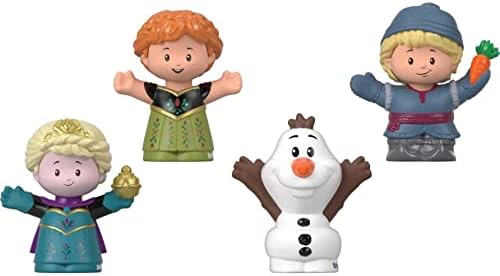
Fisher-Price Little People Toddler Toys Disney Frozen Elsa & Friends Figure…
★ 4.9 · 13,334 reviews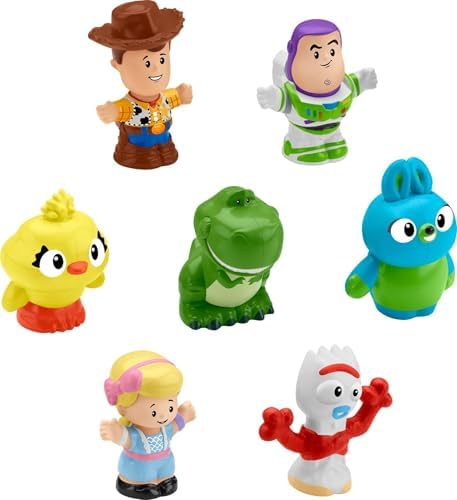
Fisher-Price Little People Disney Pixar Toy Story Pretent Play Figure Set
★ 4.9 · 10,723 reviews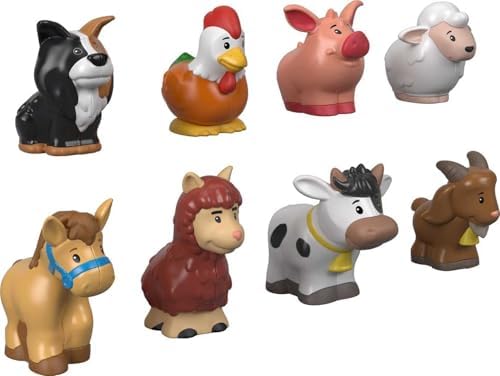
Fisher-Price Little People Farm Animal Friends Figure Set
★ 4.9 · 9,689 reviews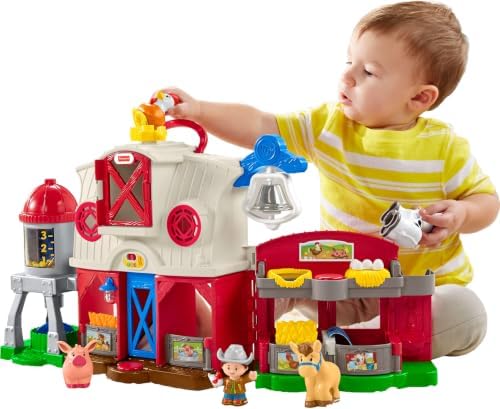 1 year +